
Backrooms and its many metaphors
What happens when unresolved anxieties and dark memories are left to fester in our minds?

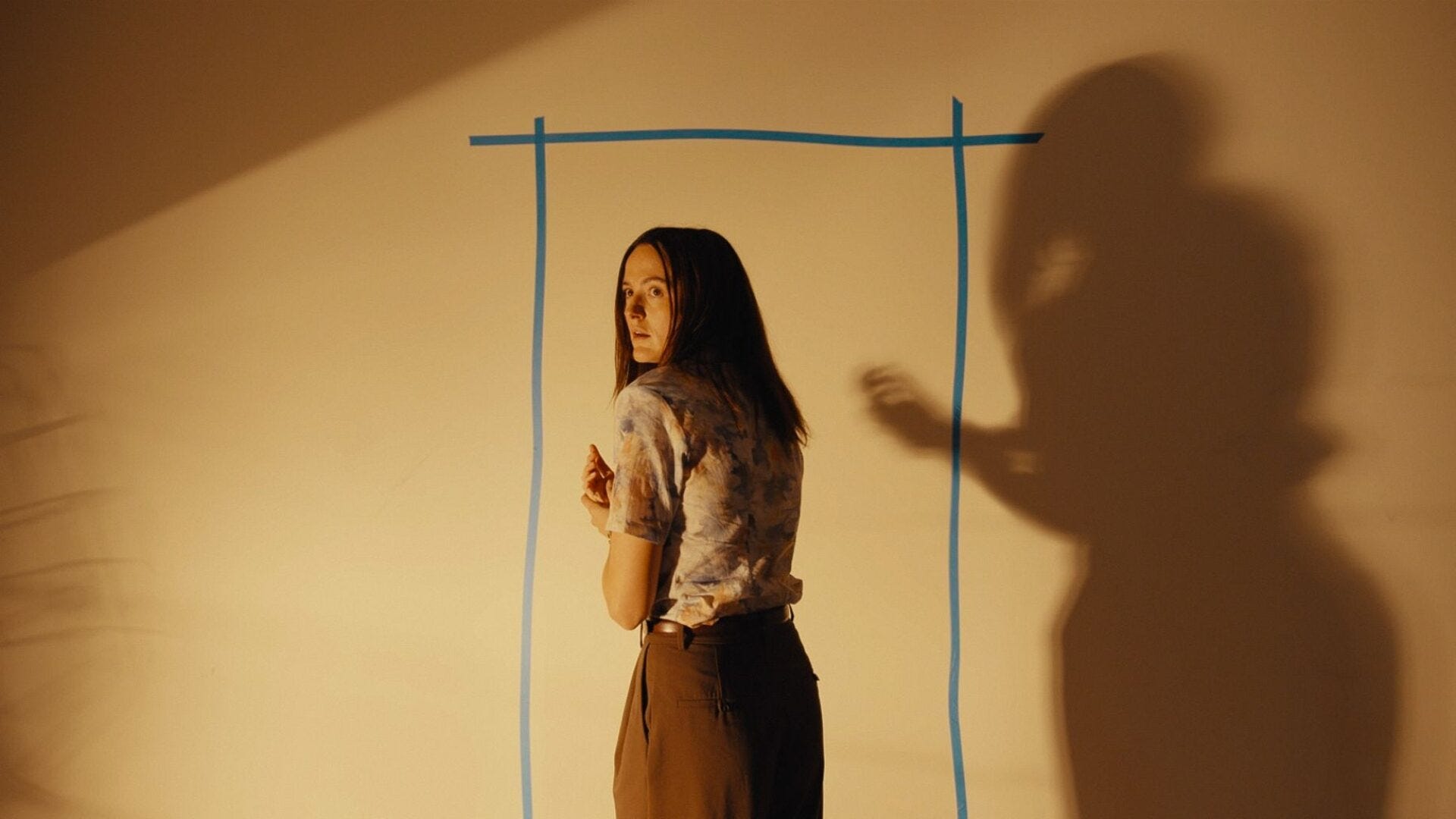
Kane Parsons, who writes and directs the Jungian shadowed horror Backrooms, is no stranger to filmmaking despite the youthful looks of the twenty-year-old YouTuber. His short video, The Backrooms (Found Footage), has an impressive 80m views and seemingly convinced executives at A24 of his potential to turn this into a longer feature, whilst tapping into a large audience of younger eyes.
2026 feels like a breakthrough year for YouTubers turned directors with Curry Barker’s Obsession (2026) and Mark Fischbach’s Iron Lung (2026) showing cinematic craft can be translated to the big screen. Clark (Chiwetel Ejiofor), a bitter middle-aged man with a growing drinking problem, has resorted to sleeping in the furniture store he manages after separating from his wife. His therapist, Mary (Renate Reinsve), sells the kind of self-help audio tapes that drove Tony Robbins’ career in the 90s - this story is set in 1990 - but wears a melancholic mask that suggests she has her own unresolved demons.
Parsons impresses with his use of symbolism both before and after Clark discovers a hidden supernatural backroom in the basement of the store. Mary’s blouse and Clark’s tie, as well as dated therapy chairs, are filled with mismatched patterns that hint at a chaos in their minds which could unravel or maybe their lives might be quietly spinning out of control. The backrooms themselves are an impressive creepypasta construction: a 30,000 square foot maze of sickly jaundiced yellow walls, isolation and a kind of metaphorical psyche seen in The Shining (1980).
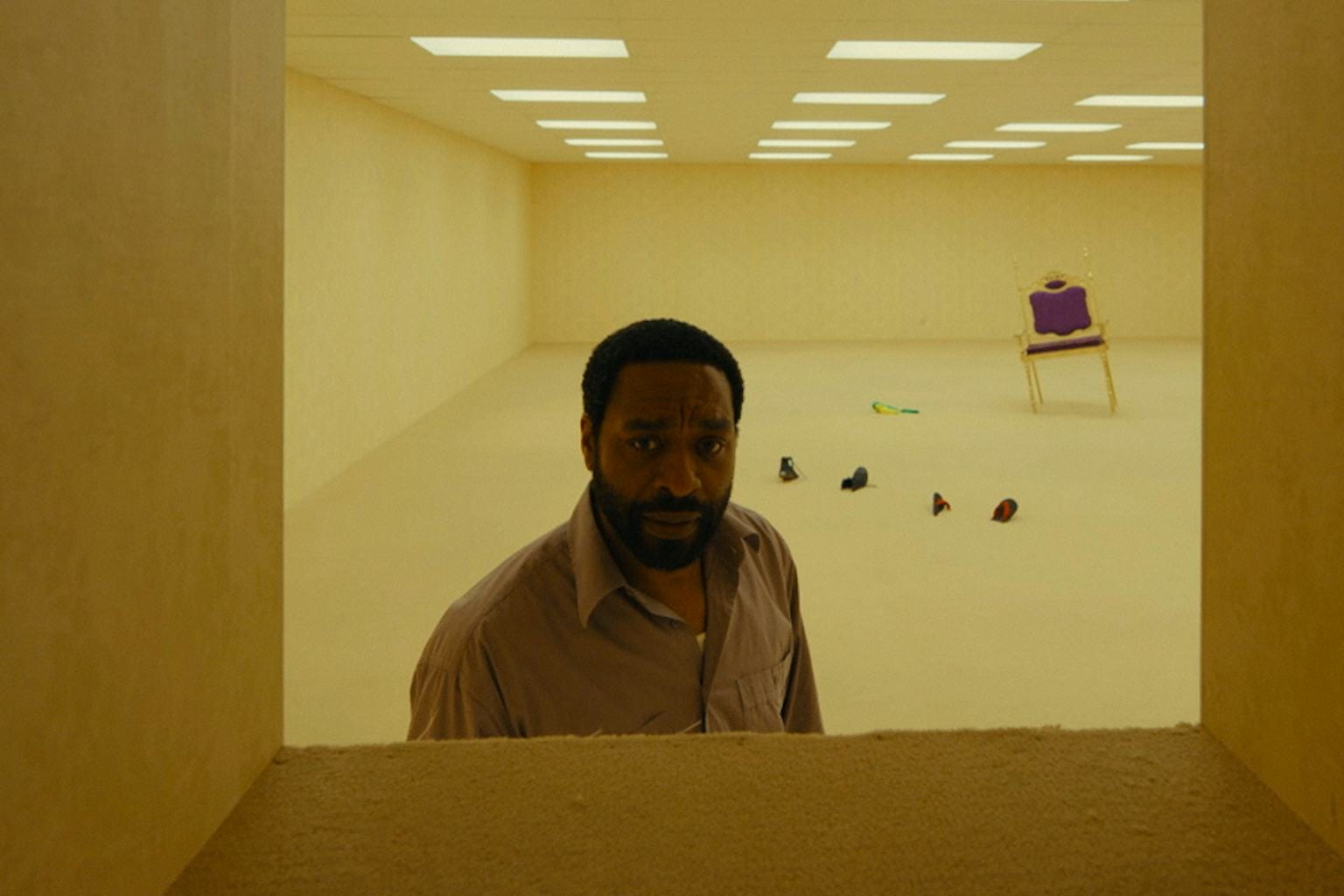
The exploration of liminal spaces and psychological aspects of the story are similar to Kurosawa’s Pulse (2001), which menacingly foretold loneliness and isolation once the internet would mature. The psychodynamics of getting lost in our own minds, of going deeper into our own shadow are interesting questions that Backrooms explores. And the use of handheld cameras raises the disorientating and shaky horror, as do jump scares, as Mary’s curiosity leads her to the in-between space after she suspects Clark is in trouble. Ejiofor, though, seems the most limited by a story that doesn’t let his character develop beyond bitterness and self-loathing, but Reinsve impresses with her usual portrayal of angst that is seen in Sentimental Value (2025) and The Worst Person in the World (2021). Here she demonstrates a broader range of performance as we see through her facial expressions and hear in the sounds of her terrified breath when she’s in the backrooms, which all serve to raise the tension on screen.
Parsons’ approach to sound works best when natural noises amplify the unease through the buzzing of lights or when the handheld camera is dropped, which further disorientates the viewer. Early on in the film, the music samples synths that are akin to what’s heard in the score from Obsession (2026), but those sounds doesn’t represent the atmosphere of this movie. Another film that deals with liminal spaces, Tarkovsky’s Stalker (1979), was brilliant in dealing with distorted sounds of a train as characters pass through interstitial spaces, and whilst Backrooms doesn’t need to be on par with that movie, its overall approach to sound seems uncertain of itself at times. Parsons (as well as co-composer, Edo Van Breemen) could’ve relied more on the audio distortion that is used later in the film, as well as focussing on transitional sounds as Mary and Clark move between the furniture store and the backrooms; a focus that Kurosawa and Tarkovsky paid more attention to in their films.
We learn early on that Clark’s comedic appearance on infomercial TV ads as a pirate is a shaming humiliation for a man who identifies himself as an architect, but his helpless and frustrated sense of self is clearly affecting his shadowed psyche in disturbingly detrimental ways. The beastly unravelling of this part of the story in the depths of the backrooms, and how quickly we observe the monster during a scene in a Lynchian room, culminates in a loss of momentum in the story. The escalation up until that point is excellent in its uneasy and eerie tone - with well-placed humour along the way - but once the big reveal lands, dread and horror are lost and the remaining part of the film, save for one interesting scene, feels bland.
Mary’s character development could also have been better thought-through and some of the decisions she makes - like going out of her way to visit a client who had terminated a professional relationship - don’t seem congruent with the real world. But, despite some of the flaws in the story and minor grumbles about aspects of the sound, this is an impressive directorial debut from Parsons in a psychological horror that tells a tale of what happens when unresolved fears, anxieties and dark memories are left to fester over time.
You might also like :

I was impressed with the visuals and symbolic storytelling. It lost its way later on though.
great review and text, thanks for the other references, will pay attention as I watch the film !