
The Smashing Machine (2025)
★★★☆☆

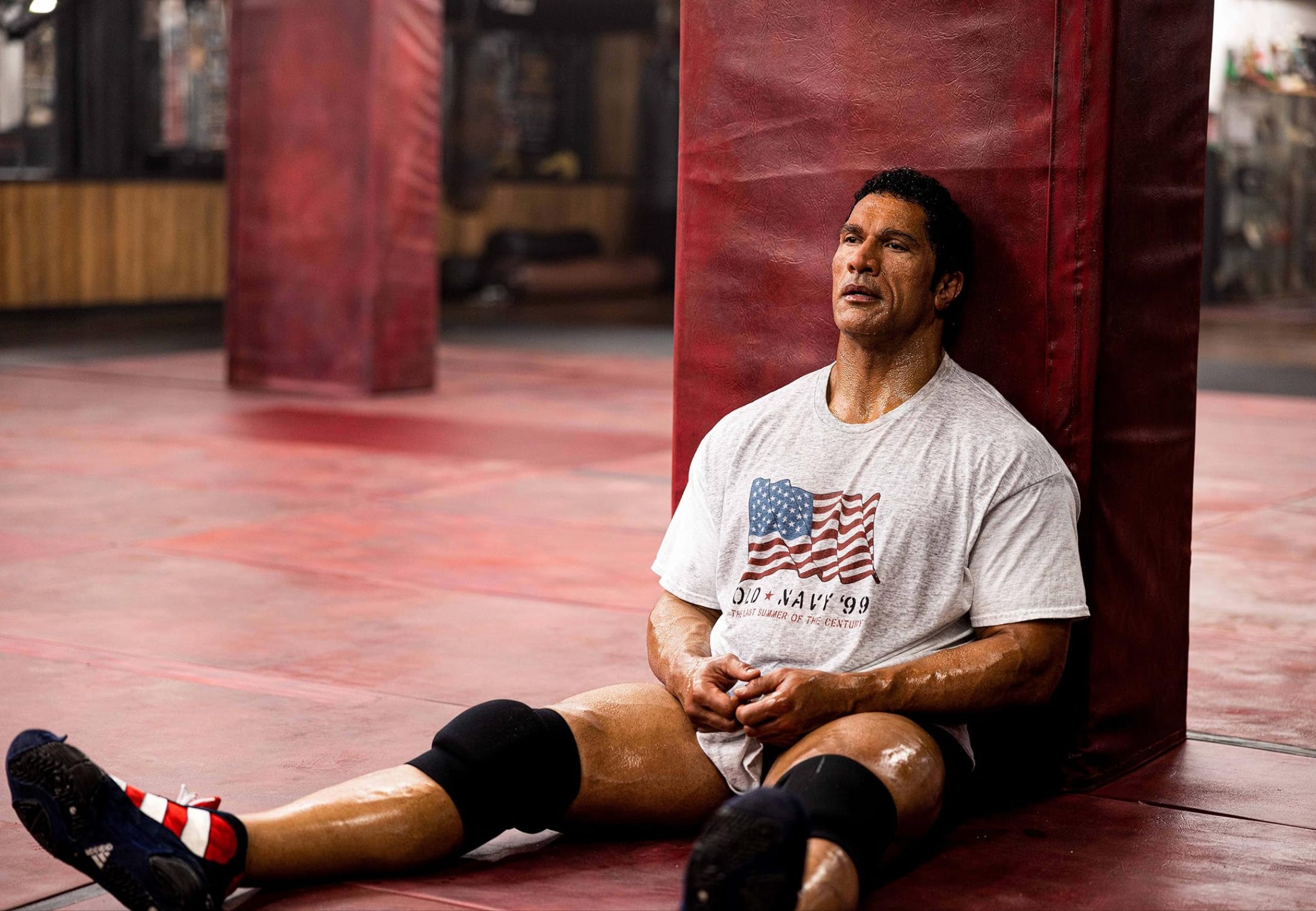
The Smashing Machine tells the true story of Mark Kerr, a mixed martial arts and UFC fighting champion during the 90s and his experiences in overcoming addiction to opioids. The movie is based on a 2002 documentary of the same name.
Benny Safdie, himself a UFC fan, has taken that documentary and tried to have a direct conversation with it in his first solo directorial role. It has all the typical elements we expect of a sports movie. But Safdie toys with them. The result, although subtle, creates a distinctive experience. Especially for this genre.
The coach and mentor role is taken by his main fighting rival, Mark Coleman (played by real-life mixed martial artist, Ryan Bader). His “team” - the ones he can relate most with - are his other opponents. Kerr connects better with those who are driving their knees into his head than he does his partner, Dawn (Emily Blunt). And, to keep everything authentic, there are a number of professional fighters in the movie: namely Bas Rutten (Kerr’s former coach, who plays himself) and boxing champion Oleksandr Usyk, who appears as a Ukranian fighter.
The beloved training montage, a highlight in any sports movie, doesn’t result in motivational music or inspiring celebrations of progress that we’ve come to expect from films like Rocky. Here, Safdie uses a cover version of My Way by Elvis Presley. It’s a slow and melancholic approach. The choice of music throughout the film avoids sporting clichés and, at times, magnifies Kerr’s sensitivities (Billy Swan’s version of Don’t Be Cruel is another winner).
In the role of Kerr, we see the best of Dwayne Johnson in any movie to date. A big part of his transformation is that - straight away - he doesn’t look like “The Rock”. Academy award winner Kazo Hiro, known best for helping Gary Oldman and Bradley Cooper transform themselves in The Darkest Hour and Masestro, does an incredible job with prosphetics.
Here, for the first time, there is depth to Johnson’s approach. Kerr is the smashing machine. But he talks softly, gently and at times he’ll avoid conflict, as we see in contract negotiations or his interaction with other competitors. He’s agreeable. His insincerity seeps out in his confrontations with Dawn. She’s desperate to connect with him but he won’t let her in. Their non-verbal communication is intense. At times he can become violent, unable to manage his emotions.
Their relationship isn’t as dysfunctional as those in The Fighter and Kerr’s story doesn’t hit the deep depths of Jake LaMotta in Raging Bull. The movie, and Johnson’s evolution, is more comparable to Zac Efron’s impressive performance in The Iron Claw.
Safdie is married to the original documentary in telling detail but this leaves gaps in the story and reduces the emotional connection in the latter part of the movie. Despite a strong performance from Emily Blunt, Dawn’s character is left underdeveloped and there is a distance between her and the audience. We’re unsure if she’s bitter or vulnerable. Because of this, the critical moments that involve her are confusing and leave unanswered questions.
There’s no miracle ending here; Kerr finds peace. We then see the real Mark Kerr, as he is today, near the ending of the movie.
The finale is a let down. This yearning for a grander finish is almost certainly designed that way by Safdie and he’s created a sports movie devoid of hyperbole and over excitement.
But it’s not a tap out. This is a different take on the sports genre.