
Wicked: For Good (2025)
★★★☆☆

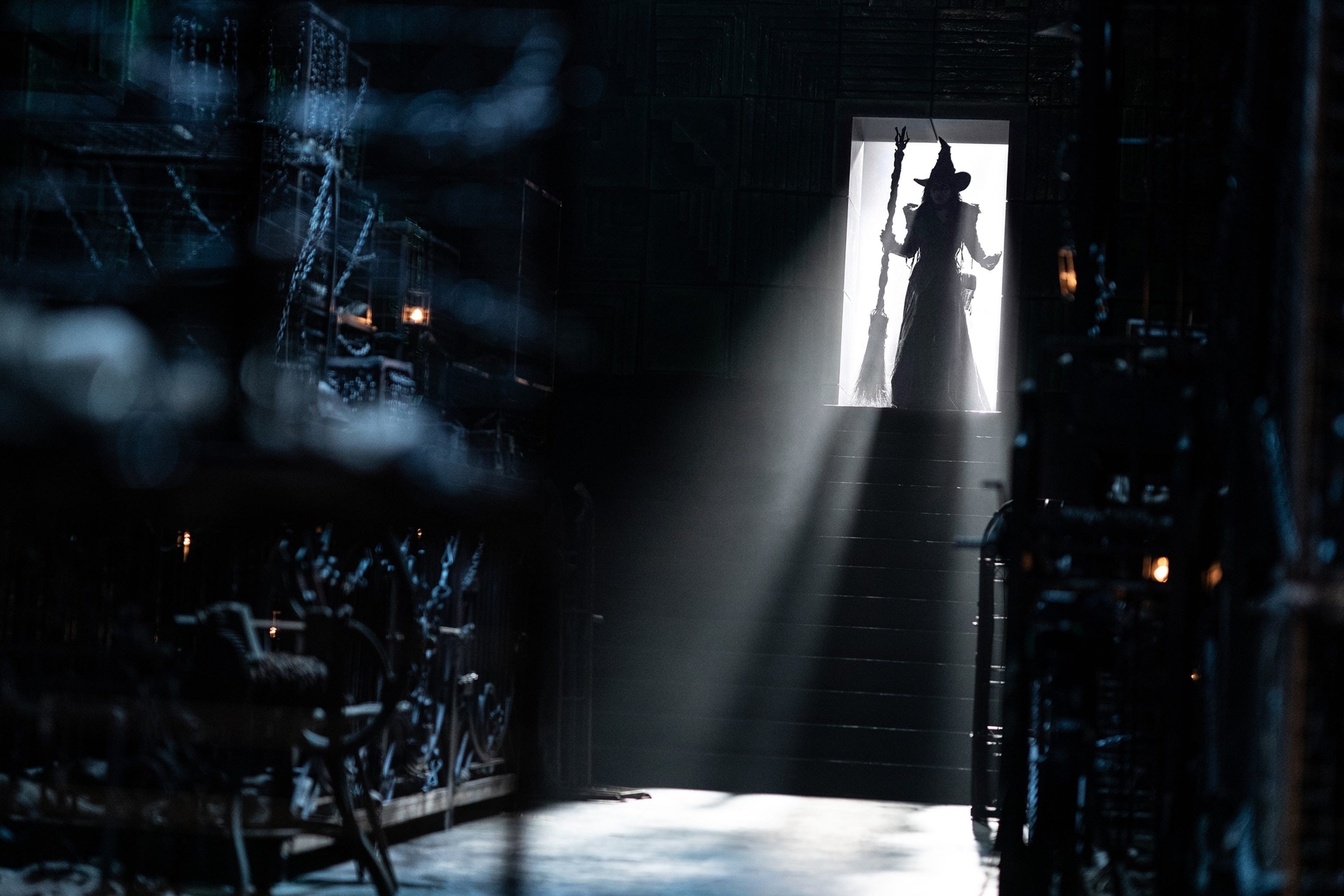
A romanticist could opine that Wicked: For Good will be a box office success given earlier indicators. Trailers for the movie received 113 million online views within the first 24 hours of release (Wicked’s figures for the same timeline were 75 million). There are no other major releases on the same weekend (Gladiator II released on the same weekend as Wicked with the grotesque portmanteau “Glicked”) and the spine of the story (and musical score) has already proven a theatrical hit for over 20 years.
Alas, it’s the latter point that will save director Jon Chu, the man behind the curtain. Wicked: For Good is not a dud movie but is average at its zenith. Without the pre-existing storylines and music from the theatre show, it would be a flop. A number of scenes puzzlingly rely on flashbacks to establish Glinda (Ariana Grande) has more depth of character than the shallowness she displays in the first instalment and that she and Elphaba (Cynthia Erivo) truly are besties. If the audience only had a brain, we wouldn’t need reminding.
The various references to The Wizard of Oz (1939) will charm viewers, and the movie begins with construction of the yellow brick road as Elphaba attempts to convince Ozians that The Wonderful Wizard Oz (a predictable Jeff Goldblum) has no real powers. To capitalise on this energy, Stephen Schwartz has composed two new songs that just don’t fly: “The Girl in the Bubble” and “No Place Like Home”. The latter is an overly sentimental ode to the original movie and another hint of a remake as the 90th anniversary looms.
Elphaba’s on-screen relationship with Glinda continues to captivate as they make sense of their new roles in the Oz propaganda machine, led by the witchy Madam Morrible (Michelle Yeoh). There’s also a hilarious scene, soon after Dorothy’s house lands in Oz, where both characters engage in a brawl that evokes Star Wars imagery, with lightsabers swapped for wands and one part of the scene viewed through character shadows juxtaposed against the vivid yellow bricks (the shadowy technique is used nicely elsewhere in the film).
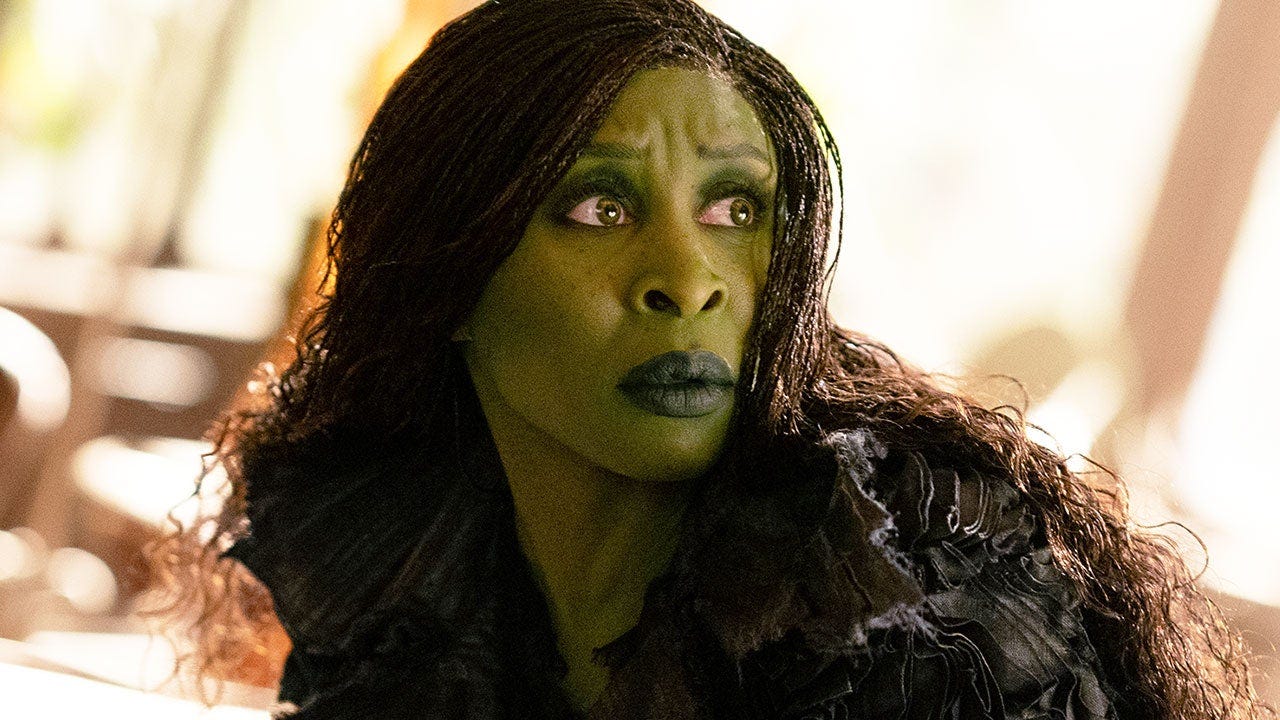
Grande surpasses her performance in Wicked and is convincingly more than a shallow and funny persona. At various points her facial expressions, subtle pauses and displays of genuine despair add emotional weight to scenes with Elphaba. Erivo’s scenes are heavily shadowed, giving a visual sense of darkness, but the tonal intensity isn’t evident in her delivery. With the exception of a few raging scenes (and a heckle reminiscent of the original Wicked Witch of the West), her furrow-browed expressions contribute to an indistinct performance despite the tribulations her character is experiencing.
Elphaba’s hunt for Dorothy is a subtle sideshow as she navigates her relationships with Nessarose (Marissa Bode), Glinda and Fiyero (Jonathan Bailey), whose role in the movie evolves on more than a couple of occasions. There are appearances by the Tin Man, the Cowardly Lion (voiced by an underused Colman Domingo) and the Scarecrow, but with so much going on there’s not time to add depth to these characters. If only Chu and his writers had 5 hours to play with.
Despite dawdling for 2 hours and 40 minutes in part one (roughly the same length as the whole musical) there are still gaps in the story and a rushed finish - involving various plot twists - to a movie that doesn’t deliver the same glee as the first instalment achieved.
Wicked won two Oscars, for production and costume design. It’s a fair argument that both of those could go to Frankenstein (2025) and leave Wicked: For Good melting away.